Change or rekey · Clarington
Lock Replacement & Upgrade
The brass handleset has gone blotchy and green where the winter salt reaches it, and the coating on the deadbolt is lifting in flakes. It still locks, but it looks tired beside the fresh paint on the door.
Lock Replacement & Upgrade
In plain words
Moving into a home is the classic moment for this service, because you inherit whatever hardware and whatever key copies the previous owners left behind. The locksmith walks every exterior door with you and sorts the locks into three piles: sound hardware worth keeping and rekeying, worn hardware worth replacing, and doors with no deadbolt at all. Everything that stays is pinned to one new key, new locks are keyed to match, and old copies floating around town stop mattering. You leave the visit knowing exactly which key opens which door and how many of them exist.
How the visit goesSomeone tried the back door while you were away. The jamb is splintered around the strike, the bolt is bent, and the knob turns with a grinding feel. Everything held, barely, and you want hardware that would do better next time.
Clarington
How the visit goes
The door and frame around the lock
A new lock inherits whatever the door and frame are doing, so both get a look. The locksmith checks whether the door has dropped on its hinges, whether weatherstrip is pushing it out of square, and whether the bolt lands squarely in the strike pocket or rubs its edge. The pocket depth matters as well: a bolt that reaches the back of a shallow pocket is not fully thrown. Hinge screws, a jamb split from an old forced entry and a strike held by short screws are all noted, because the visit will tidy them up so the new hardware works as designed.
Fitting the latch or bolt to the door
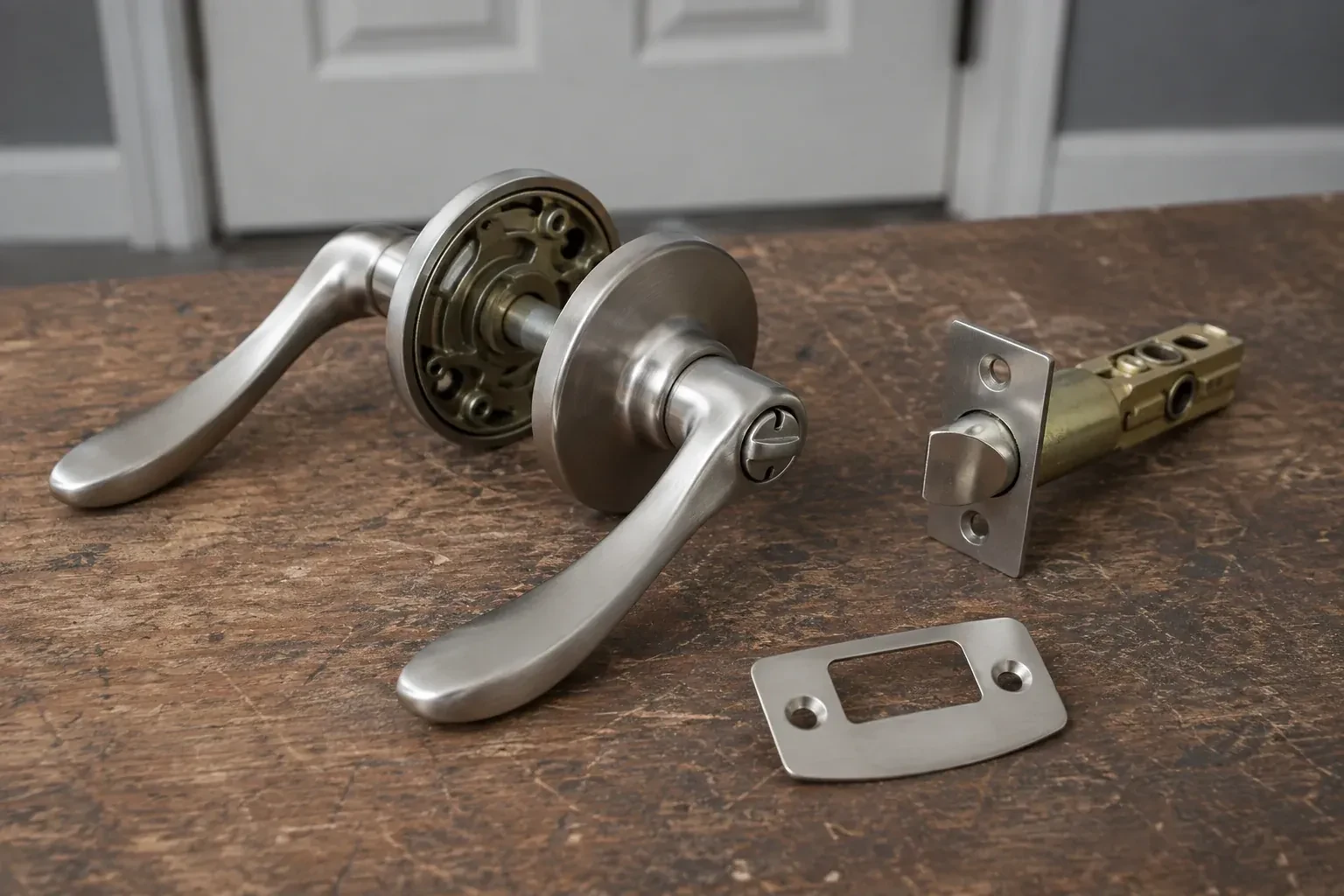
Most modern latches and bolts adjust between the two common backsets, so the unit is set to the measured figure and slid into the edge bore. A spring latch goes in with its bevel facing the strike, while a deadbolt is oriented the way its markings or instructions call for, not by that bevel rule. The faceplate should sit flush in its mortise; where the old cut-out differs in shape or size, the mortise is trimmed with a sharp chisel, or a round drive-in collar is used where the door was prepared that way. The bolt is checked to travel freely before anything else goes on, since a bolt that binds in the door will bind under the key too.
A clear plan for the remaining doors
Most households do not replace every lock in one visit, and you leave with a short list of what is left, in order of importance. Typically the front door and the garage-to-house door come first, then the back and side doors, then the patio slider and interior sets. Because the key plan has been settled, any lock added later can be pinned to the same key, so the house stays on one key as the work continues. Finishes and styles are recorded so future hardware matches. The first visit sets the standard; the rest of the house can follow when it suits you.
Lock Replacement & Upgrade
In the van
- Cylinders, plug follower and pinning kit
- Boring jig and hole saws
- Reinforced strike plate and strike box
- Adjustable latch or bolt
- Filler plates and thick-door extension kits
What affects the quote
Same fees day, night or weekend
1Restricted keyway system
Patented cylinders and controlled key blanks cost more than standard hardware and involve setting up your key records, which is quoted separately from an ordinary replacement.
2Changes to the door preparation
Adjusting a strike mortise is minor; boring a new hole for a deadbolt, fitting a filler plate over an old mortise pocket or adapting a thick door with extension kits is quoted as its own item.
3Number of doors
One back door is a small visit; the front, back, side, garage man-door and patio slider together are a longer one, though several doors done at once share the travel and setup.
Lock Replacement & Upgrade: questions
Which finishes stand up to salt and winter?
Finish is one of the three categories on the residential hardware label, and it covers exposure to sun, humidity, salt and skin oils. In practice, PVD brass, satin nickel and stainless finishes tolerate a salted driveway well, powder-coated black holds up when it is not chipped, and traditional lacquered brass tends to bloom green where salt reaches it. A storm door or a small overhang helps any finish, and wiping salt off in a thaw helps more.
How do I look after a new lock so it stays smooth?
Very little is needed. Whatever lubricant and interval the cylinder maker specifies, worked into the keyway with a few turns of the key, keeps the pins free; using the wrong product collects grit instead of helping. Wipe salt off exterior hardware during winter melts. Snug the hinge and strike screws each spring and fall as the door moves with humidity. Cut spare keys from a crisp original rather than a worn copy.
Will a new lock fit the holes already in my door?
Usually, yes. Most residential doors are prepared to standard sizes, a 54 millimetre cross bore and a backset of 60 or 70 millimetres, and most modern hardware adjusts between those backsets. The locksmith measures before choosing, so the new lock is matched to the door rather than the other way around. Where an older mortise lock or an unusual bore is found, filler plates, extension kits or a carefully jigged new bore bring the door to standard.
Change or Rekey Locks
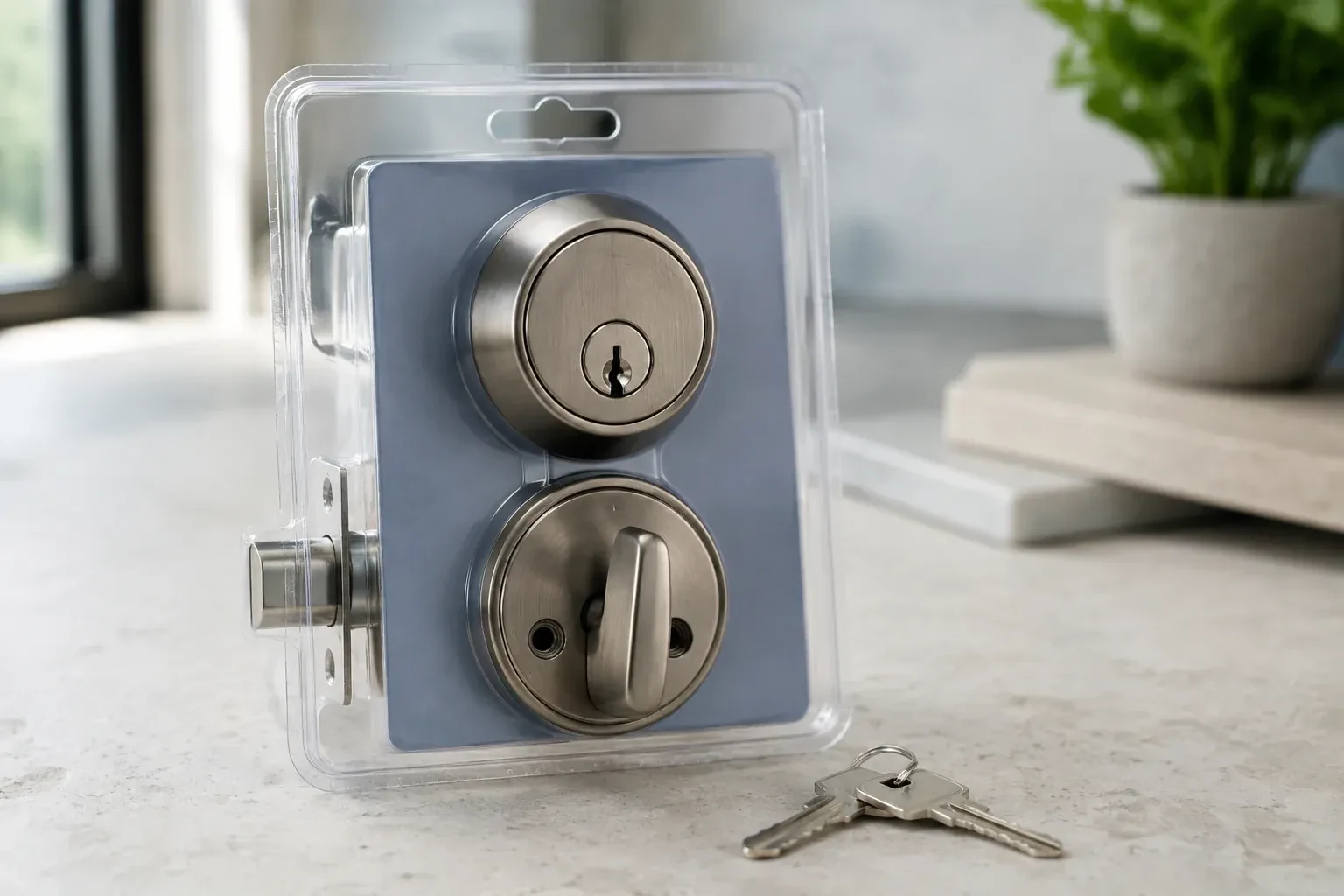
- Deadbolt InstallationThe back door has a deadbolt in name only: a short bolt, a thin brass strike held by two little…
- Vintage Mortise Lock ServiceThe knob flops loose on its spindle and never springs back to level.
- Smart Lock InstallationArthritis has made the small house key hard to grip and turn, especially with gloves on in January.
Lock Replacement & Upgrade near you
Below is the full menu of lock and key work available in Clarington, written for people who are not locksmiths. Each entry says what the service is, when it makes sense, and roughly how a visit unfolds, so you can arrive at the door already knowing what the technician is going to do and why.